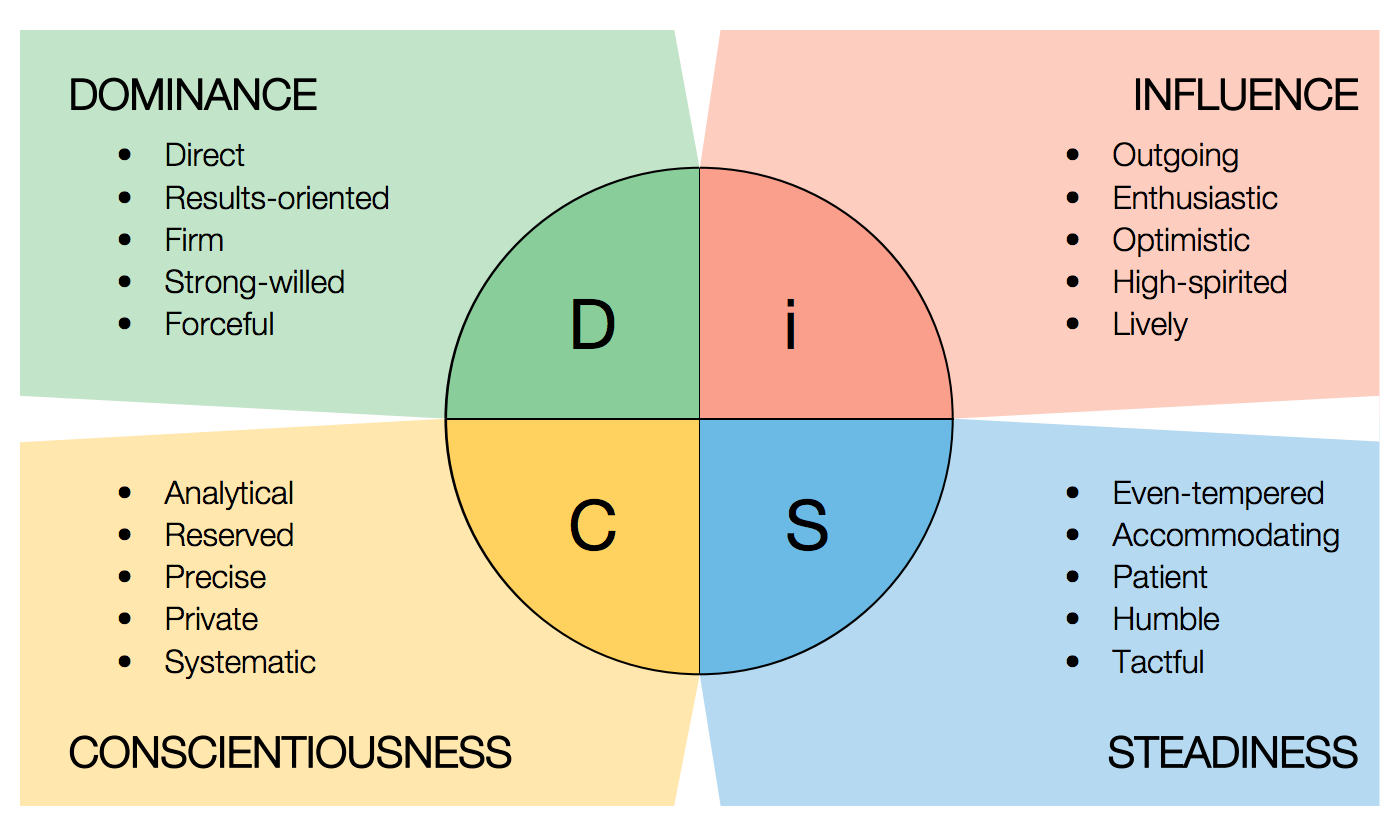
FOUR STYLES – Just Acting Themselves
Do you think they’ll get the job done? Perhaps, or perhaps not, depending on how each responds to one another in handling the simple task. Let’s see why this may not work out. As they walk into the room, the Dominant Style typically speaks first. “Here’s my plan… To find out more about DISC profiling and how to improve communication within your business get in touch. |
Is your Marketing Profitable?
Have you ever sat in your office and wondered why the phone isn’t ringing? Or why posting on Facebook/ Twitter or sending an email, or putting a flyer in your window isn’t getting you customers? Then the problem isn’t your lack of customers, it’s your mindset. This blog will take you through what you need to know in order to get your clients through the door.
The number 1 rule in any business should be to:
Know Your Numbers
Before making any drastic changes, make sure you know exactly where you are right now. You need to know your numbers. And I’m not talking any numbers, like the temperature outside, or your phone number, I mean these numbers in particular:
- Acquisition Cost- Your acquisition cost is the cost of a given marketing campaign, divided by the number of people who bought from you.
a. Cost per Lead =
Marketing Spend ÷ Number of leads
b. Cost per Sale=
Marketing Spend ÷ Number of Sales
- Lifetime Value =
(Average £ Sale x Number of Transactions (Over 12 Months) x Average Retention Time (Years))
- Average £ Sale- Add up your total sales and divide this number by your number of sales.
- Number of Transactions- The average number of times one of your customers buys from you in a year.
- Average Retention Time- The length of time a customer continues to purchase from you.
- Profit per Customer=
(Lifetime Value) – (Acquisition Cost)
Knowing these numbers allows you to know what you’ll have to pay to continually buy customers at a price value that will generate a return. How much can you realistically afford to spend on each sale in order for you to still turn a profit?
Change your mind-set. View your marketing as a purchase, an investment, instead of seeing your marketing as an expense. Don’t spend money and “hope” your campaigns will bring in enough customers. Be pro-active, test and measure your results, understand your numbers and find out which of your campaigns are profitable.
Get in touch with one of our business coaches today by calling 02392 454111, or fill out the form below, to discuss how we can help you get back on track, and achieve those goals that led you to start the business in the first place.
Enquiry form:
Digital Marketing Apprentice
Are you looking to employ a Digital Marketing Apprentice?
The marketing landscape has changed more in the last 10 years then it did in the previous 50. The introduction of the internet, social media, smart phones and email has resulted in huge potential for businesses of all sizes. However, it has also left many business owners confused and overwhelmed.
Digital Marketing can include
- Email marketing
- Social media
- Blogging
- Website updates
- SEO (Search Engine Optimisation)
- PPC (Pay-Per-Click) advertising
- Landing pages
- Competitor research
- Survey/Data collection
Each of these areas can have a huge impact on a business’s success, when done in the right format. If you’re a small business owner looking to gain more leads, engage with your customers and earn more repeat business, a digital marketing apprentice may be the right thing for you. An apprentice can research and complete all those tasks you know you should be doing, but don’t have the time to complete yourself. This will free you up to work ON your business.
Apprenticeships can sometimes be perceived as cheap labour. However, with the right recruitment strategy and the right programme which is tailored to you business’s needs, it can propel small businesses into the digital age, generating them warm leads at the cost of a cup of coffee.
The Luv4 Marketing Digital Marketing Apprenticeship is a 12 month course, which can be undertaken by a current member of staff or you can employ someone new specifically to follow this programme. This employee will be supported by a training advisor who will visit your place of work and support them along their learning journey. They will also be accompanied by step by step webinars and workbooks allowing them to implement effective digital marketing strategies, previously only conducted by experienced professionals. This allows you to keep your marketing in house and directly reporting to you, allowing you to stay in the driving seat.
The cost of a Digital Marketing Apprentice is £9,900. £9,000 of which is funded by the government. That leaves you, the employer, left to pay £900. This can be paid over a period of 12 months. That’s just 12 payments of £75.
This super affordable programme is only available to a limited number of people each year. So if you’d like to find out more contact us on info@actioncoachportsmouth.com or call 02392 454 111.
Refining your marketing
Review, tweak and repeat
One of the most important parts of any marketing process is the review. Understanding what has and hasn’t worked is vital to the ongoing success of any marketing plans. Without logical data to back up the feelings we have about the marketing activity we will never know what to work on next. Getting a return on investment is sometimes more about learning from our past than looking to the future. I understand market places change along with products and services changing but there is still a lot to learn from the past.
Review the process – What worked well with the marketing you have run in the past. What headlines had the best response? What offer attracted the most attention? This shouldn’t be done on feelings as this can be very misleading. What worked well with your sales process? How was your follow up call received? Where did most of your sales fall in the sales process? All these questions need solid data to answer them before moving on to your next strategy.
Tweak the process – Once we know what worked well and what didn’t, we can tweak the process. We can change the headlines to become more focused towards our best results and we can tailor our offers towards the ones we now get the best response. This should make your marketing more effective, giving you a better return on investment from your budget. Sometimes however, tweaking does mean stopping. Stop what isn’t working and invest the saved money in to the strategies we know are working.
Repeat for old and new – Follow the same process for all current and old strategies as well as new. Following the process from start to finish when planning or changing any marketing strategies will set you up for the best results possible. Don’t become complacent, be strict with yourself and your team. Make sure once you have one strategy running successfully you maintain, review and tweak it. Then start the next new strategy following the same rules. Overtime, building multiple marketing activities you know work will give you the best possible return on investment.
Testing and measuring sits at the heart of any marketing activity and process. This allows you to be confident knowing what is and isn’t working, building a fully tested marketing plan. But remember, things can change so stay alert and review you data regularly, making sure you’re not wasting money.
Building A Process for Success
Selling can be dependant on a number of different variables. One of these is the process a sales person goes through each time they conduct a sales call or meeting. Developing a sales process that you follow every time can eliminate some variables, which in turn will improve your conversion rate. The key to success is to follow the same process every time with every sales person. This consistency will then allow you to measure which steps do and which don’t work.
Build the process – The first stage is to build the process. White boards and flip charts are great tools for this. Start by laying out, in an ideal world, what you’d like each of your customer’s experience to be. This may start with them calling or coming into your business and showing an interest in a certain product. What information do you then give them? Do you need a one to one sales meeting? Do you need to supply them with a quote? When should you be making the follow up call? All these elements should be built into the process. Remember, the more touches, the better the relationship can become; but be careful, as overdoing it can cause them to feel like they are being oversold to.
Support documents – What documents do you need to back the process up? Try and standardise these, so there is no confusion on what to send. Make them personal, an information pack can be sent out as standard, but add a personal cover letter – 80% systemised 20% personalised. The use of scripts for phone calls can help to make sure you cover all the necessary points and gain all the information you need.
Use the team – Team members will all have their own strengths, try and use these strengths to build the best process possible. If one team member follows up very well ask them to script what they do and teach the others. If one person is better face to face, what is it they do? Using the team to build and assist in the process can be a great way to get the best results.
Feedback – Feedback on the process is possibly the most important part. What is and isn’t working? Get the team’s feedback and also the customer’s if possible. Feedback will allow you to tweak the process for optimal performance. If one person is struggling with a certain element, get them to ask their colleagues to support and provide feedback for them.
Following the process is key. If you don’t follow the process fully and embrace it, you can’t get a true understanding of whether or not it is working. To help get the team on board, make sure you use their expertise and assistance in building the process to start with. That way they will have a certain level of ownership and be more likely to embrace it.
Testing and measuring each stage is key. If you can break it down and use some generic strategies to analyse which elements are working, you will then be able to adjust the process accordingly. Unique email address, phone numbers and web address can help track what stage of the process your customers are responding to and buying.
Best practice for follow up calls
Following Up Means Sales Are Up
The follow up call is one of the most important elements to any sale however we find more commonly than not that it is one of the most avoided or overlooked activities by business owners and sales personnel. I can almost guarantee if you implement and embrace the follow up process you will make more sales.
There are some key elements to the follow up process that when used correctly can improve the conversion rate of any business. The best way to follow up with your customers is by calling them however in some businesses I understand this may not be appropriate so adjust the elements to fit within a written follow up.
Position the follow up – Positioning that you are going to follow up with your prospects is key. This stops the feeling that you are trying to sell to them, in an ideal world you should position the date and time you are going to follow up with them. This should be within 7 days of your first meeting or call, if you can’t agree an exact time and date them agree with them that it would be OK to give them a call or drop them an email in a week or so if you have not heard back.
Follow up on time – One of the most important elements of selling to someone is building trust with them. If you have agreed to follow up with them on a specific date or within a certain time frame, make sure you follow through with this on time. If you don’t it can have the opposite effect and start to create distrust within the relationship.
People buy from people – The saying that people buy from people is as important today as it has ever been. Relationships can be key and they are not built on your product or service alone. When making a follow up call be sure to talk to them about some common ground or an event in their life they have previously spoken about. For example, if you know they have been on holiday ask them how it was and be interested, no one likes somebody asking them a question just for the sake of it.
Be helpful and sincere – When making the follow up call your prospect may have some questions about your product or service. Ask them upfront how they feel about it and if they have any questions you can help with. This allows you to overcome any objections or nerves they have about buying from you. Be truly helpful, they will be able to sense if you are just asking for the sake of it.
Be confident – If you have positioned you are going to give them a call be confident in calling them, after all they did agree to it. There should be no need to be nervous; as you have already spoken to them before and you are just checking in to see if there is any way you can help them in making the right decision.
Existing customer follow up – The follow up call doesn’t only apply to new prospects, don’t forget your current customers. Check back and find out how they are finding the product and service and if there is anything else you can help with. You never know they may be looking to buy another product and service you offer or referring you to a friend.
Remember test and measure the success of your follow up, track if the follow up is working and if the time allocated is worthwhile. If it is done correctly I can almost guarantee it will.


